High Purity Calcium Phosphate
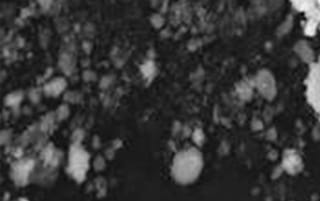
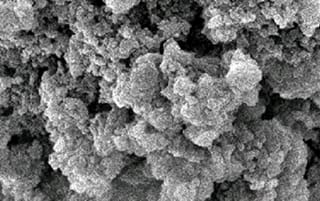
HAP-100
Main uses
- Biomaterials such as artificial bones and roots
- Bone fillers
Basic information
| Standard | In-house standard |
|---|---|
| Molecular formula | Ca10(PO4) 6(OH) 2 |
| Molecular weight | 1004.64 |
| CAS No. | 1306-06-5 |
| Remarks | High-purity product |
Product characteristics
| Exterior | White powder |
|---|---|
| Average particle size (µm) |
1.7mm or less |
| Specific surface area (m²/g) |
50-60 |
| Apparent specific volume (mL/g) |
1.0-2.0 |
| pH | 6-8 |
HAP-200
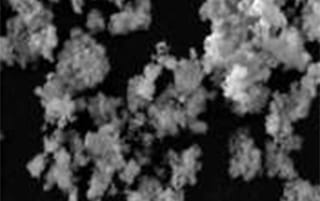
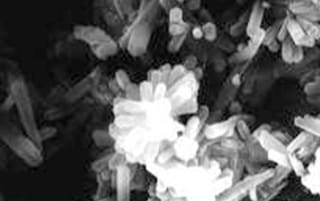
Main uses
- Biomaterials such as artificial bones and roots
- Bone fillers
- Chromatographic fillers
- Inorganic fillers
Basic information
| Standard | In-house standard |
|---|---|
| Molecular formula | Ca10(PO4) 6(OH) 2 |
| Molecular weight | 1004.64 |
| CAS No. | 1306-06-5 |
| Remarks | High-purity product |
Product characteristics
| Exterior | White powder |
|---|---|
| Average particle size (µm) |
5-20 |
| Specific surface area (m²/g) |
5-10 |
| Apparent specific volume (mL/g) |
4.0-6.0 |
| pH | 6-8 |
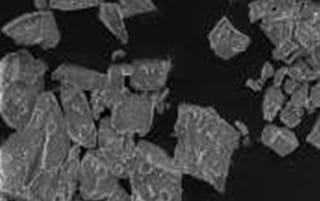
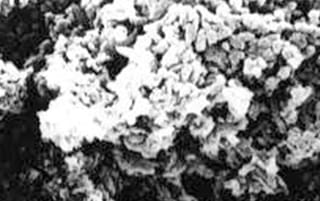
β-TCP-100
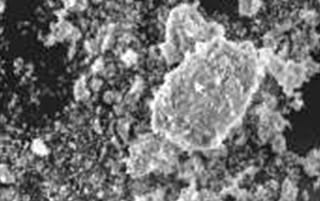
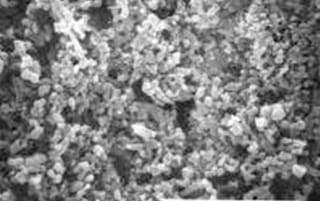
Main uses
- Biomaterials such as artificial bones and roots
- Bone fillers
- Toothpaste base materials
Crushed product
- β-TCP-100(Crushed product)Avg. particle size 1-5µm
Basic information
| Standard | In-house standard |
|---|---|
| Molecular formula | Ca3(PO4) 2 |
| Molecular weight | 310.18 |
| CAS No. | 7758-87-4 |
| Remarks | High-purity product |
Product characteristics
| Exterior | White powder |
|---|---|
| Average particle size (µm) |
1.7mm or less |
| Specific surface area (m²/g) |
1-5 |
| Apparent specific volume (mL/g) |
1.5-2.5 |
| pH | 7-10 |
| Heat change | 1170℃:α-TCP |
α-TCP
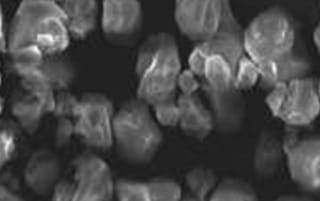
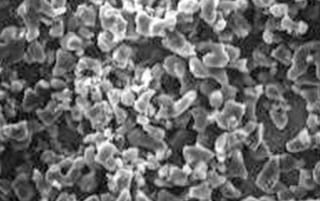
Main uses
- Biomaterials such as artificial bones and roots
- Bone fillers
- Toothpaste base materials
Crushed product
- α-TCP-A Average particle size 8-15µm
- α-TCP-B Average particle size 3-8µm
Basic information
| Standard | In-house standard |
|---|---|
| Molecular formula | Ca3(PO4) 2 |
| Molecular weight | 310.18 |
| CAS No. | 7758-87-4 |
| Remarks | High-purity product |
Product characteristics
| Exterior | White powder |
|---|---|
| Average particle size (µm) |
1.7mm or less |
| Specific surface area (m²/g) |
0.1-2.0 |
| Apparent specific volume (mL/g) |
0.1-2.0 |
| pH | 7-10 |
TTCP
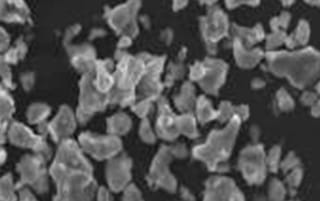
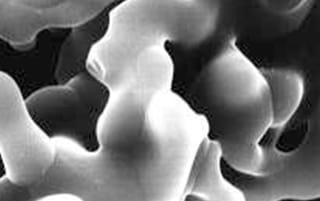
Main uses
- Biomaterials such as artificial bones and roots
- Bone fillers
- Hardened cement
Basic information
| Standard | In-house standard |
|---|---|
| Molecular formula | Ca4(PO4) 2O |
| Molecular weight | 366.26 |
| CAS No. | 1306-01-0 |
| Remarks | High-purity product |
Product characteristics
| Exterior | White powder |
|---|---|
| Average particle size (µm) |
5-20 |
| Specific surface area (m²/g) |
0.5-3.0 |
| Apparent specific volume (mL/g) |
1.0-2.0 |
| pH | 10以上 |